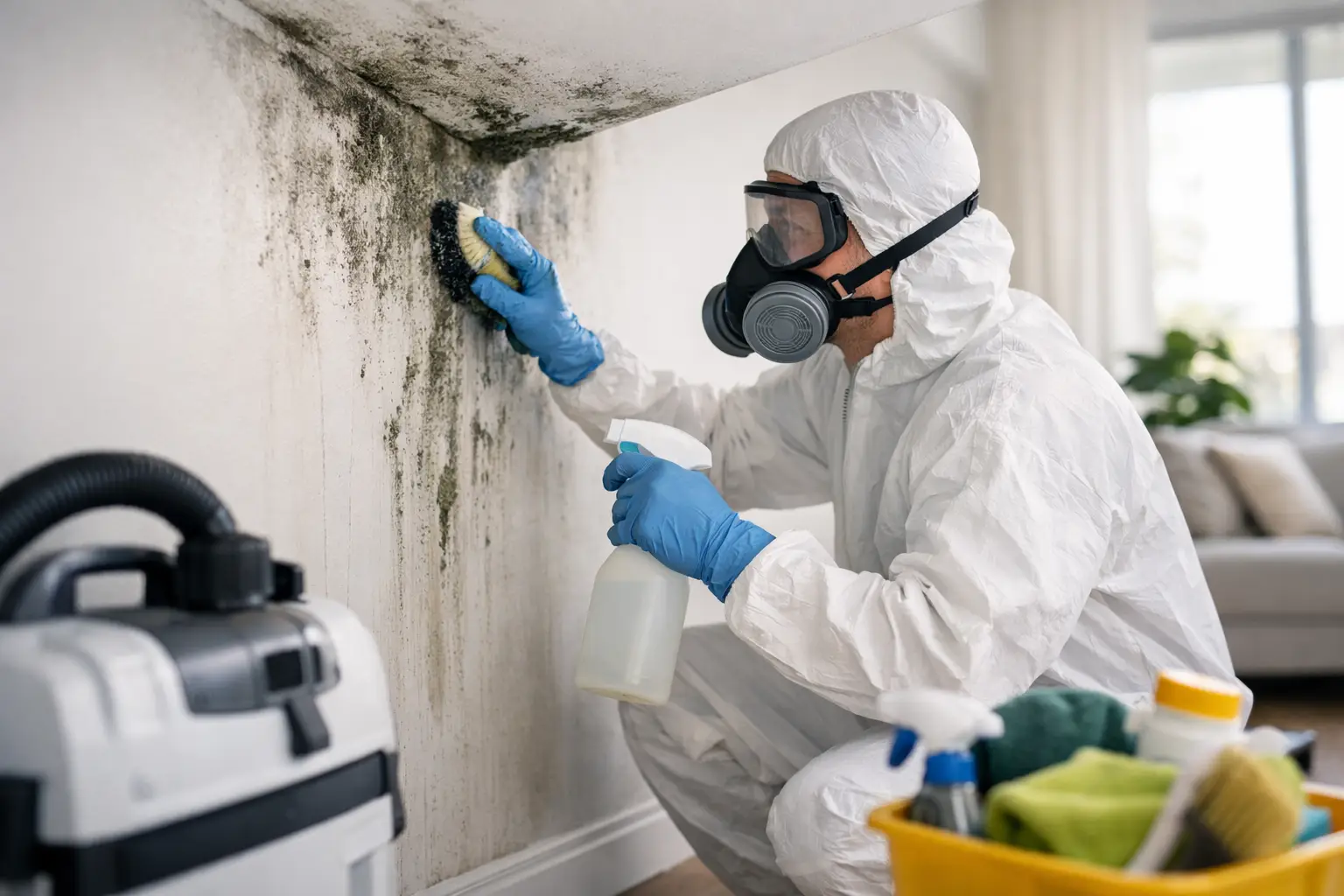
A few dark marks around a bathroom ceiling can quickly become a bigger property issue. For homeowners, landlords and short-let operators, mould removal cleaning Malta requires more than wiping a surface and hoping it stays clear. The visible growth is usually a sign that moisture, poor airflow or a hidden leak needs attention.
Mould can affect how a home looks, smells and feels. In a rental property, it can also lead to guest complaints, delayed turnovers and difficult conversations about responsibility. A practical response starts by dealing with the immediate cleaning requirement, then identifying why the area stayed damp long enough for mould to grow.
Why mould develops in Maltese properties
Mould needs moisture, a surface to settle on and limited ventilation. Bathrooms, kitchens, bedrooms with closed windows, utility spaces and storage rooms are common problem areas. During cooler and more humid periods, condensation can build up on external walls, ceilings, window surrounds and behind furniture.
In Malta, the issue is often more noticeable in properties that are closed for parts of the year, flats with limited cross-ventilation, or short-let units where showers, cooking and laundry create frequent moisture. Drying clothes indoors without adequate airflow can add to the problem. So can furniture positioned tightly against a cold wall, where air cannot circulate properly.
Not every patch is caused by condensation. A leaking pipe, failed seal around a shower, roof ingress or water damage after building works can create recurring mould in one specific area. If staining returns soon after cleaning, or the wall feels damp to the touch, cleaning alone is unlikely to solve it.
Mould removal cleaning Malta: when to act quickly
Small areas of light surface mould can often be dealt with promptly, provided the material underneath is sound and the cause is clear. Leave it too long, however, and mould can spread into grout, silicone, paint, plaster, fabrics and soft furnishings. The longer moisture remains, the more likely a straightforward cleaning visit turns into a repair, repainting or replacement job.
Act quickly if there is a musty smell, peeling paint, black or green spotting, damp patches around windows, or discolouration returning after cleaning. For Airbnb and holiday-rental properties, it is sensible to inspect bathrooms, bedroom corners, wardrobes and window areas between stays. Guests may not report a small mark immediately, but they will notice an odour or an unclean-looking ceiling.
Where occupants have respiratory sensitivities, asthma or allergies, avoid treating a larger mould problem as a simple cosmetic task. The priority should be reducing exposure, improving ventilation and arranging appropriate cleaning and maintenance work.
What can be cleaned safely, and what needs assessment
The right approach depends on the size of the affected area and the surface involved. Non-porous surfaces such as tiles, glass, sealed metal and certain painted finishes are generally easier to clean because mould is less likely to penetrate deeply. Grout and silicone need more attention, as they can retain moisture and staining.
Porous materials are less straightforward. Unsealed plaster, damaged plasterboard, carpets, curtains, mattresses, upholstery and untreated timber may hold mould below the surface. A visible clean may improve appearance without removing the underlying problem. In these cases, assess whether the item can be professionally treated or whether replacement is the more reliable option.
Avoid dry brushing mould, as this can disturb spores and spread them across nearby surfaces. Do not mix cleaning products, particularly bleach-based products with other chemicals. Strong products can also damage paint, fabrics, metal fittings and natural stone if used incorrectly. Ventilate the room, use suitable gloves and follow the product instructions precisely.
For extensive growth, repeated water damage or suspected leaks, the sensible next step is to arrange a property assessment and coordinate the cleaning with the repair. Treating the stain before addressing the moisture source only creates repeat work.
Bathrooms and shower rooms
Bathrooms are often the quickest rooms to show mould because steam settles on ceilings, corners, silicone seals and poorly ventilated walls. Cleaning should cover the visible areas as well as the places moisture collects: extractor covers, window frames, tile grout and the top edges of shower screens.
After cleaning, check whether the extractor fan is operating effectively and whether the room is aired after bathing. Cracked silicone, loose tiles or leaking shower seals should be repaired. These small maintenance tasks can make the difference between a one-off clean and a recurring issue.
Bedrooms, wardrobes and living spaces
Mould behind a bed, sofa or wardrobe is commonly linked to condensation and restricted airflow. Move the furniture away from the wall during inspection, particularly on external walls. If the wall is damp, cold or visibly stained, the property may need more than cleaning.
For landlords and short-let operators, do not conceal staining with fresh paint before the area is dry and the cause has been checked. Paint applied over active damp can bubble, discolour or allow mould to return through the finish. A coordinated cleaning, drying, maintenance and repainting plan produces a better result and protects the property presentation.
A practical process for property owners and managers
A reliable mould response is organised around cause, cleaning and prevention. First, identify whether the moisture is from everyday condensation, a plumbing issue, external water ingress or poor ventilation. Photograph the affected area before work begins, especially in managed rentals where records may be needed.
Next, clean the appropriate surfaces using methods suited to the material. This may involve detailed bathroom cleaning, grout treatment, upholstery or carpet care, and removal of residue from window frames and walls. Any contaminated linens, curtains or removable fabric items should be handled carefully and washed according to their care labels.
Then address the underlying condition. This could mean repairing seals, arranging maintenance for a leak, improving extraction, allowing surfaces to dry fully or scheduling painting once the area is stable. In a furnished rental, the process may also involve moving furniture, laundering linen and restoring the room for the next guest.
Finally, set a simple inspection routine. High-use bathrooms and kitchens should be checked regularly, while vacant properties need occasional ventilation and moisture checks. For a short-let portfolio, add mould-prone areas to the turnover checklist rather than relying on a general visual clean.
Prevention that fits day-to-day property use
Prevention does not need to be complicated, but it must be consistent. Open windows when conditions allow, run extractor fans during and after showers, and avoid leaving wet towels or laundry in enclosed rooms. Wipe excess condensation from windows and sills before it runs onto walls or wooden fittings.
Keep furniture slightly clear of external walls, particularly in bedrooms that are not used daily. Use dehumidification where ventilation alone is not enough, but remember that a dehumidifier is not a repair for a leaking pipe or damaged roof. It manages moisture in the air; it does not remove the source of water entering the property.
For properties with frequent guest changes, clear guest information can help. A short note asking guests to use the extractor fan, ventilate the bathroom and report leaks early is practical, not excessive. It protects the accommodation and allows maintenance to be arranged before a small problem affects the next booking.
Coordinating cleaning and maintenance without delays
Mould problems often sit between cleaning and maintenance. The surface may need a deep clean, but the cause could require seal replacement, plumbing attention, drying work or painting. Managing those tasks through separate suppliers can slow down a turnover or leave one part of the problem unresolved.
Cleaning Services JV supports property owners and managers with cleaning, deep cleaning, upholstery care, painting and general maintenance coordination. When mould has affected the appearance of a room, the priority is to restore it properly while keeping the property operational and presentable.
If mould is returning, smells persistent or damp damage is visible, treat it as a property-care task rather than a last-minute cleaning job. Request a quote with clear photographs and details of the affected rooms so the right cleaning and maintenance work can be planned from the start.
#cleaning #cleaningservice #cleaningservices #deepcleaning #cleanhome #professionalcleaners #housecleaning #cleaningservicejv #mouldremoval #propertymaintenance #ecocleaning